EU guidance now spells out three practical tests for AI systems: tell people at first contact, mark synthetic outputs so they can be detected, and publish training-content summaries for general-purpose models. The unanswered questions are compliance, enforcement and how far those tools really protect personal data.
UNESCO Santiago’s October 2026 notice does not prove delivery, but it does make two previously broad agendas testable. One project would track attacks on journalists in Chile; the other would run AI-literacy work through a regional education observatory.
Global Justice Network asked four international bodies to examine Bangladesh’s restrictions on peaceful participation. Its requests come amid documented attacks on newsrooms, pressure on household incomes and concern for the safety of witnesses.
On October 16, 2026, U.S. agencies said they published voluntary incident-readiness practices for super intelligence training and evaluation. The public record shows an operational playbook taking shape, but not enforcement, adoption or tested results.
NASA’s 15 October records add dated satellite evidence that fires and smoke intensified across the central and eastern Amazon from September 2026, with heavy smoke visible over Manaus on 12 October. The same record also shows why readers should be careful: the imagery is strong evidence of timing and spread, not a full causal or health account.
UNESCO’s October 2026 education releases turned a familiar complaint into a sharper metric: 50 million more teachers needed by 2030, most of them to replace people leaving. Read with UNESCO’s gender and access data, the number points to retention and student persistence, not only classroom expansion.
The European Commission has put an Official Journal citation on the record for harmonised standards supporting high-risk AI under the AI Act. That opens a presumption-of-conformity route, but the retrieved public pages do not show the full standards list, assessments or market uptake.
A Commission notice updated on 9 October 2026 says the Scientific Panel examined recent loss-of-control incidents and helped draft questions for developers. The step shows incident-focused use of the panel, but not disclosed enforcement or new binding rules.
On September 18, 2026, NIST named nine RAMPS cooperative agreements totaling more than $1.7 million. The records show matched local workforce projects with two-year goals, but not yet disbursements, employer hiring, or measured outcomes.
NASA’s September 21 melt-season account and its April 3 Barents Sea report describe different Arctic ice measurements, time windows and spatial scales. Read together, they caution against treating a stable duration metric as proof of recovery or a March maximum as a direct rebuttal.
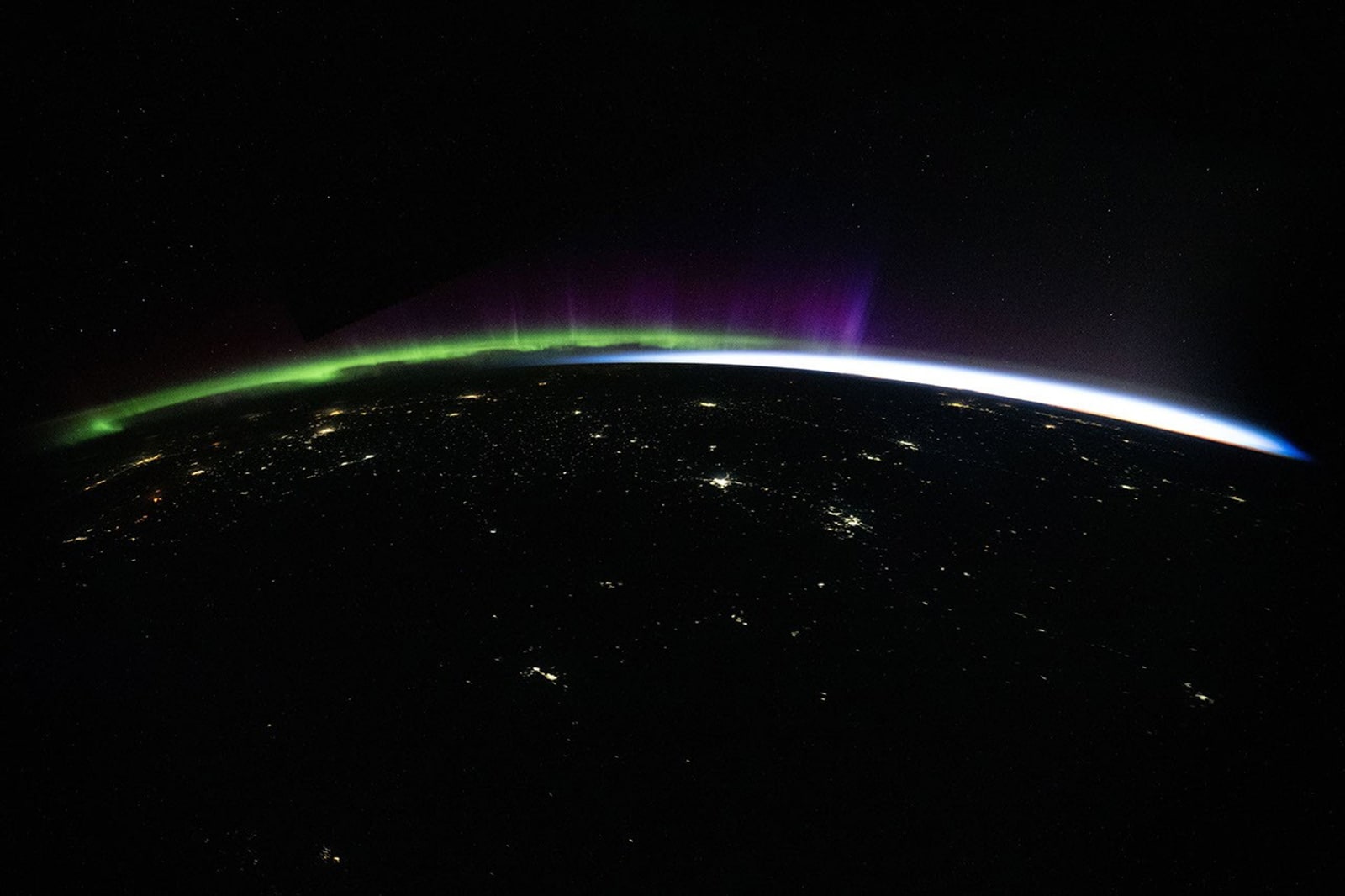
NASA’s September 16 aurora post is a useful reminder that color is evidence, but not a complete atmospheric readout. It can suggest which gases emitted light, while storm strength, magnetic changes and particle activity come from other observations.
NASA’s August 4, 2026 Webb post spotlights a counterintuitive tool: a seven-hole mask that blocks most incoming light. The point is not more photons, but cleaner angular information when bright features sit very close together.
W3C’s September 2026 WCAG 3 draft separates partial accessibility reporting from its proposed conformance threshold. That matters because a lower tier could describe real progress, while only the proposed Tier 3 would count as full conformance in the current draft model.
NIST’s June 2026 library release uses several different counts at once: chemical identities, spectra and replicate spectra. Reading those units carefully explains how a library can grow by adding new compounds, extra measured records for existing compounds, or both.
NASA’s 2026-09-15 Roman update showed the mission’s primary camera had started seeing stars. But the same record says the detector array was still far from best focus, making the image a commissioning baseline rather than a finished science view.
W3C’s new Profiles Vocabulary can describe a specification profile and link resources such as schemas or validation tools. That matters for discovery, but the source record does not show any dataset being tested or passing, and the draft leaves conformance rules to individual communities.
NIST’s August 2026 detector result shows a larger superconducting single-photon detector geometry. It does not, by itself, establish the efficiency, timing or finished-camera claims that readers may be tempted to infer from older NIST background material.
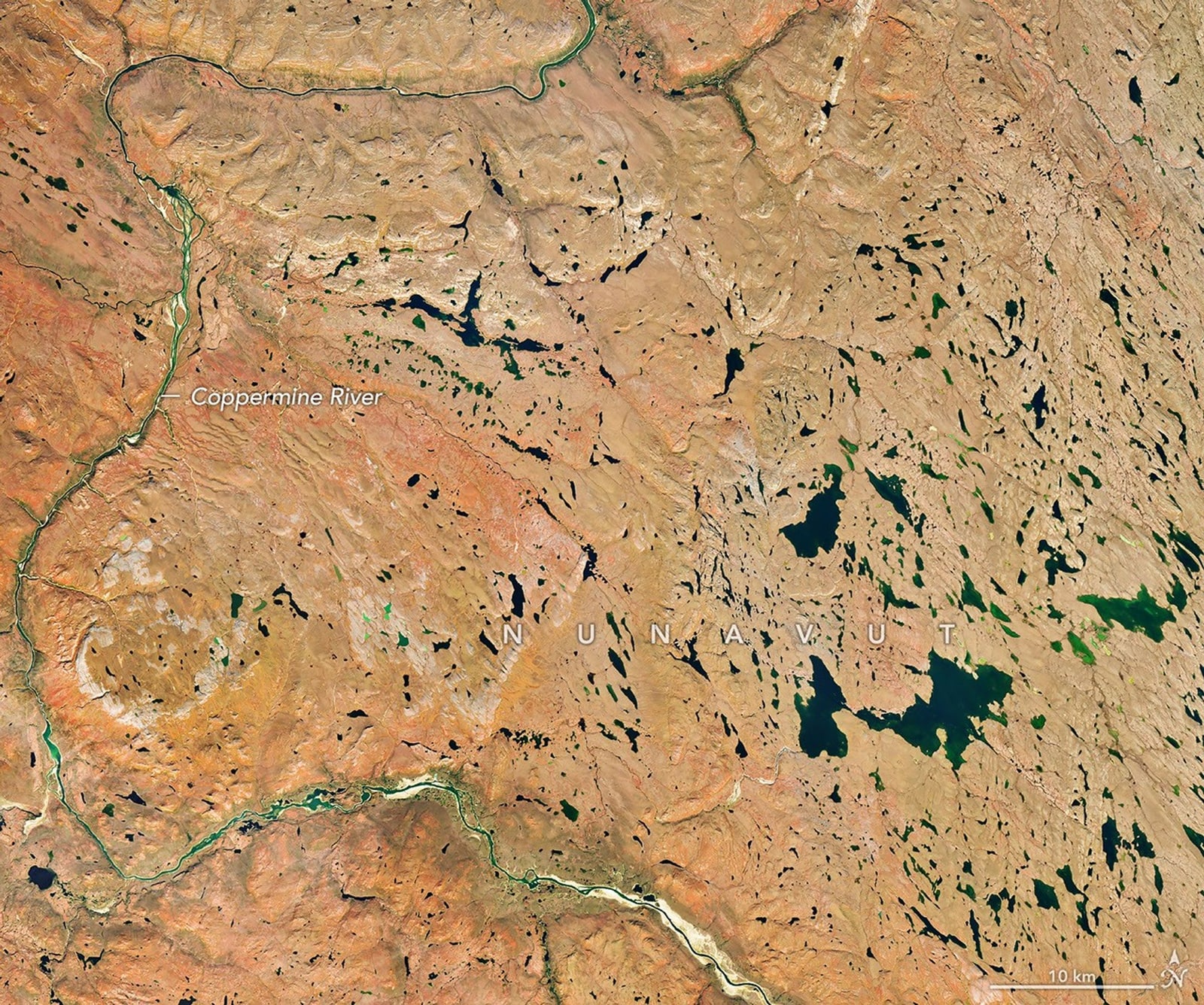
NASA’s September 14, 2026 Coppermine River image pair shows a visible seasonal change between July 27 and September 6. That does not make it a vegetation-index result: NDVI and EVI require near-infrared data and calculations the page does not provide.
W3C’s September 16 open-source pilot brings the Can I VC dashboard into an experimental support program. The useful distinction is what such a dashboard can test in software, and what it cannot decide about a credential’s truth or fitness for a real-world use.
NIST’s 2025 Cold Atom Thermometer looks counterintuitive because its rubidium atoms are cooled to about 0.5 millikelvin. The key distinction is that the cooling prepares a cleaner sensor, while the reported temperature comes from blackbody radiation in the surrounding environment.