EditionEditorial GuideWhat Is Fintech and Which Trends Actually Matter?what is fintech
Editorial Guide
BLOGBLOGNewsInTrends
What Is Fintech and Which Trends Actually Matter?
Fintech becomes easier to follow once readers know where it appears, why it matters, and which signals deserve a closer read. NewsInTrends approaches the topic in plain language so the next headline feels less opaque and more useful.
The topic appears most often inside coverage of payments, lending, digital banking, insurance technology, and the startups reshaping money movement. It matters because readers keep encountering the term long before anyone pauses to unpack it clearly.
A useful starting point is to place fintech inside the decisions, incentives, and routines it actually affects.
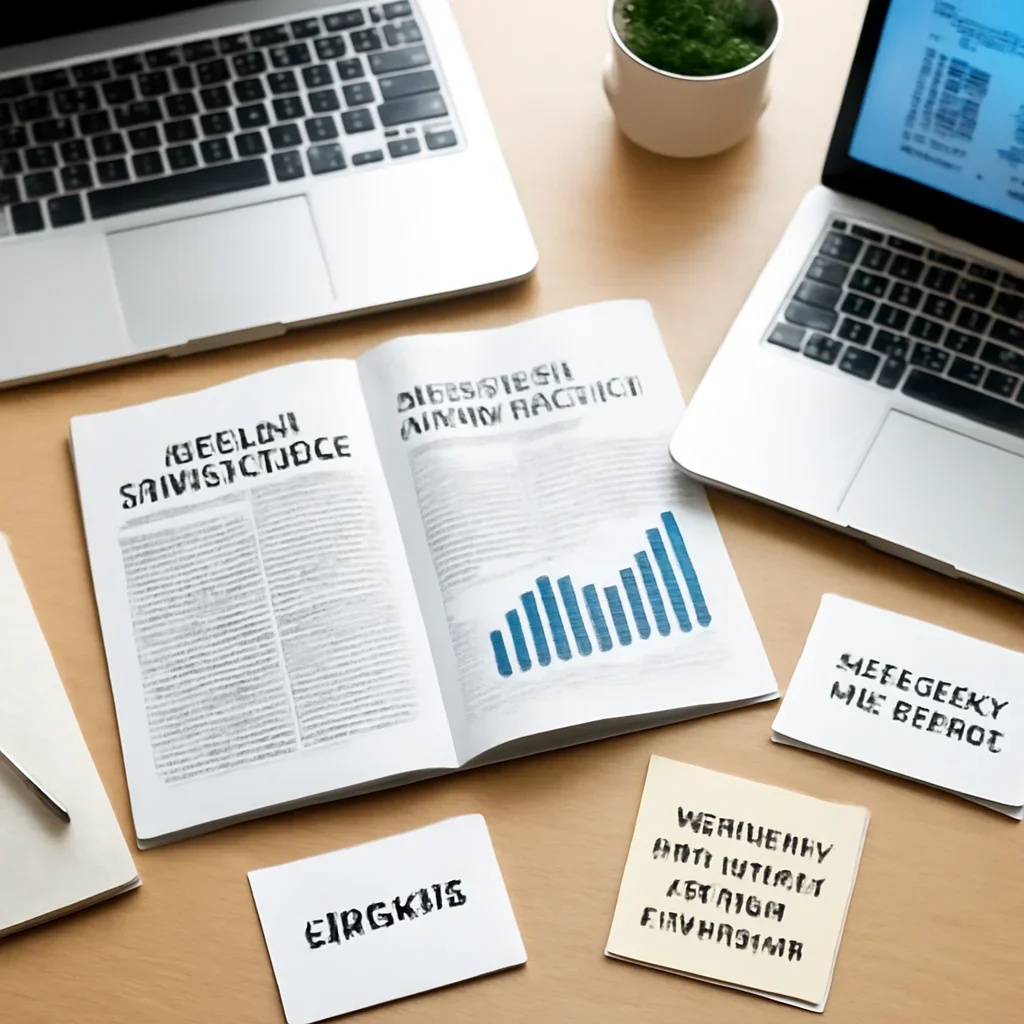
A supporting visual that matches the editorial rhythm of the page.
What readers often miss
Many readers stop at the definition and miss the operating reality behind it. The stronger read looks at how the topic behaves across payments, lending, digital banking, insurance technology, and the startups reshaping money movement.
That second layer is what turns jargon into something practical and memorable.
How to read future headlines better
Once the basics are clear, the next step is to watch how the term changes the story around it: who gains room to act, what becomes riskier, and which related desks suddenly matter more.
This is where explainers become a durable reading tool rather than a one-time glossary entry.
Why the topic matters now
The subject keeps returning because it shapes how readers understand current developments across the site. That makes a calm, repeatable explanation more valuable than a one-off definition.
When readers can recognise the pattern earlier, they are less likely to be pulled around by surface-level coverage.
Continue into the related desk pages and use the newsletter when you want a steadier follow-up to the topic.
Start with signal
Choose a short list of trusted inputs before the noise of repeated commentary takes over.
Add context quickly
Keep the relevant topic hub or explainer close so the next headline lands in a bigger frame.
Build a repeatable habit
A steady routine beats reactive checking when the subject moves in bursts.
Next step
Stay close to the signal
Continue into the related desk pages and use the newsletter when you want a steadier follow-up to the topic.
Readers usually get the most value by pairing one core page with a related desk and the newsletter.